
Exploring work that suits you
Strengths-based employment coaching for NDIS participants
What could work look like when we start with your strengths?
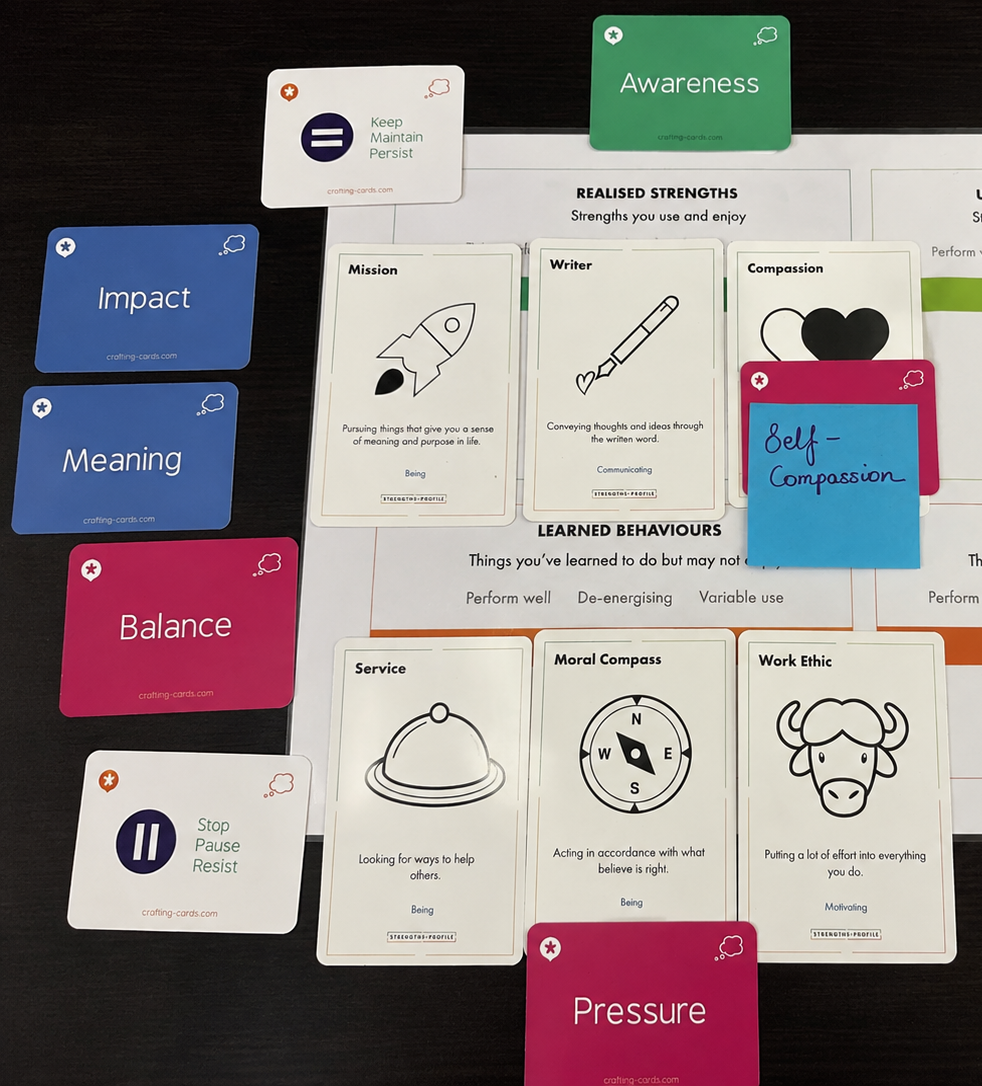
Strengths Profile cards © Capp & Co Ltd 2026. Crafting cards © Tailored Thinking / At My Best 2026.
This coaching is for people aged 16 and over who have a work goal in their NDIS plan. This may include exploring study or volunteering as a step towards work.
You might be:
Thinking about your first job
Returning to work after time away
Looking for a different kind of work
Wanting to make changes in your current job
You don't need to know exactly what kind of work you want to do.
What we can explore together
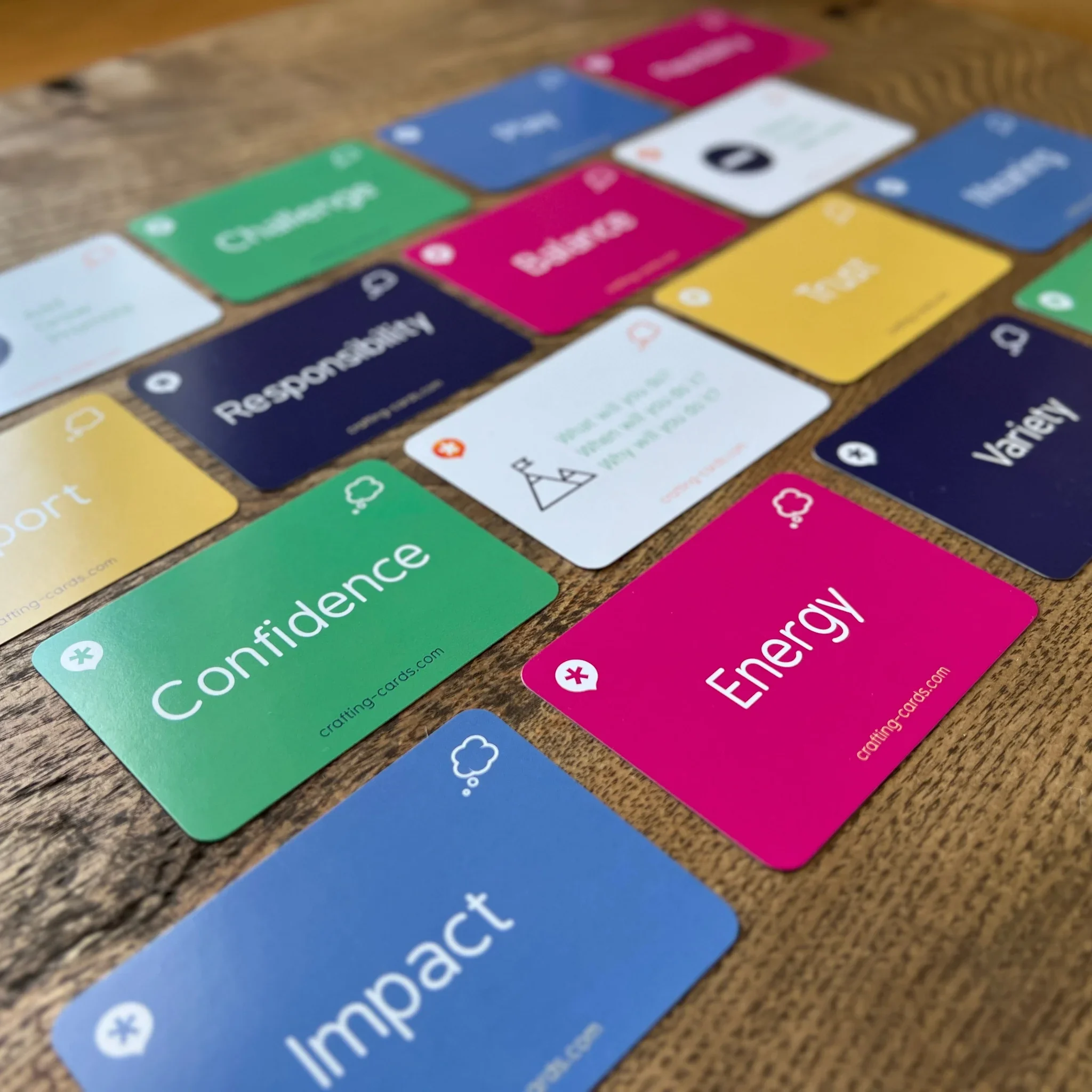
Crafting cards © Tailored Thinking / At My Best 2026.
Employment coaching can help you:
Recognise and understand your strengths, skills and interests, including those you've developed through study, volunteering, hobbies and everyday life
Explore different kinds of work and tasks that might suit you
Understand what helps you work well, including your energy, communication preferences and working environment
Think through what could get in the way, and the supports or workplace adjustments that might help
Explore changes to tasks, routines or working conditions that could help you work well in your current job
Choose practical steps towards your employment goals, and reflect on what you learn along the way
Why start with strengths?
Understanding your strengths can help you see possibilities for work you might not have considered before. We start by exploring what you do well, what you enjoy and what gives you energy.
Being good at something is only part of the picture. You might be very capable at a task but find it tiring, or have strengths you've had few opportunities to use. Understanding these differences can help you explore work that could be meaningful and sustainable for you over time.
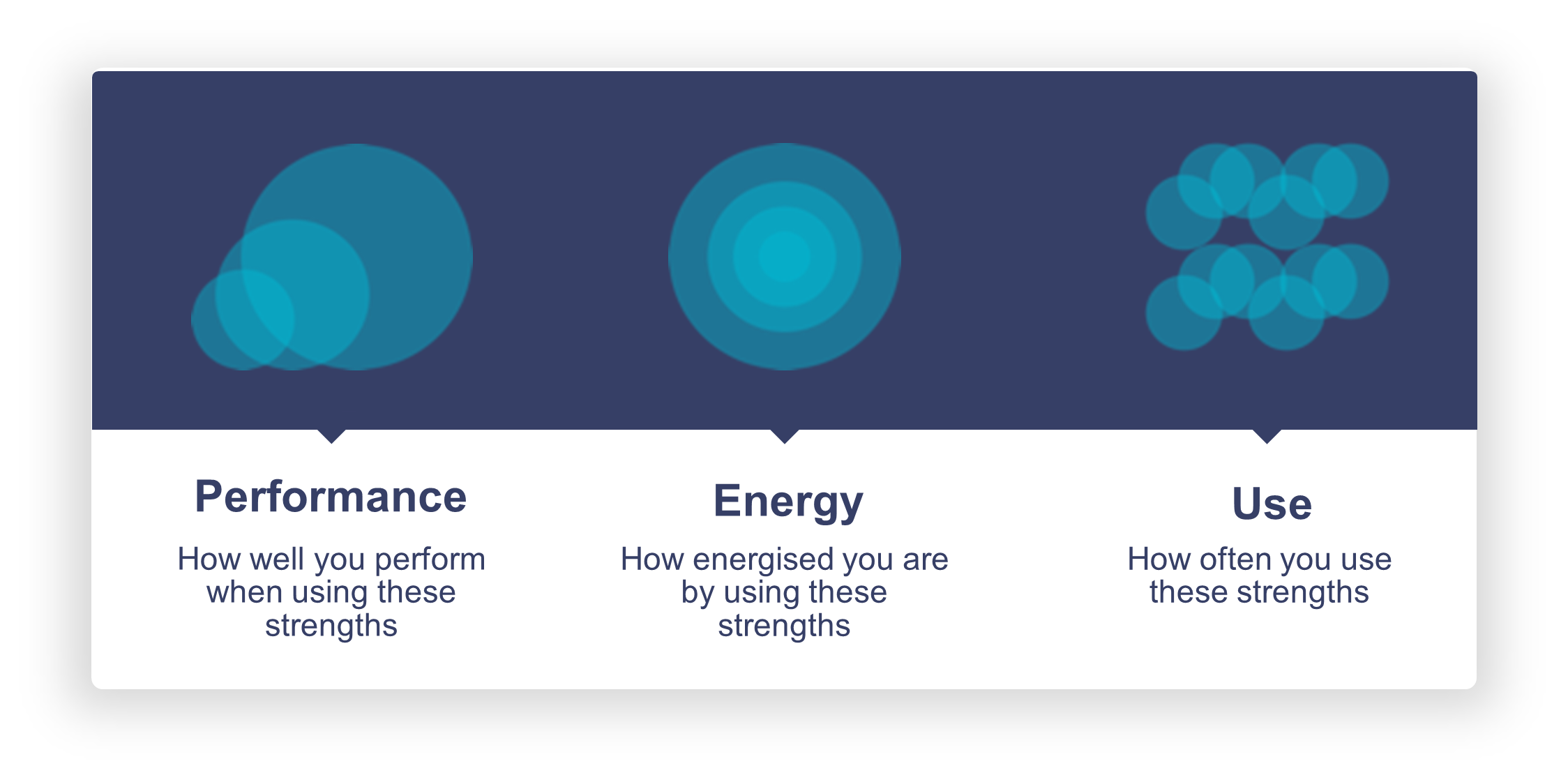
Image © Capp & Co Ltd 2026
Your strengths report helps us notice patterns in how you use your strengths and skills and suggests career areas you might like to explore. Together, we consider which strengths you'd like more opportunities to use, which you might use differently or less often, and which skills may be taking more energy than they give. We look at these possibilities alongside what different kinds of work involve and what matters to you.
Every job includes tasks you enjoy more than others. Sometimes drawing on a strength can make a task easier or more engaging. Other times, changing how a task is organised, how you communicate, or the support available may be more helpful.
You don't need to make big decisions or changes all at once. We can start with something small that feels manageable to you.
For example, you might discover that organising activities gives you energy, even if you've never had a paid job. We could explore where you've already used that strength, think about the kinds of work that might involve it, and choose one thing to try, such as talking to someone who does that work.
Each step is an opportunity to notice what works for you, learn from your experience and decide what you'd like to explore or try next.
We usually begin with four one-to-one coaching sessions, each 50 to 60 minutes. Sessions are often about two weeks apart, but the timing and approach can be adapted to your circumstances.
We'll work at your pace, and you can stop coaching at any time.
Here's an example of what we might explore across the four sessions.
How coaching works
Session 1
Getting to know you
We'll talk about your interests, experiences and employment goals, and explore whether this coaching is the right fit for you.
Session 2
Understanding your strengths
Between your first and second sessions, you'll complete an online Skills Discovery questionnaire. We'll explore your personal strengths report together and consider what it might mean for your work goals.
Session 3
Exploring possibilities
We'll build on what you've learned, explore different directions or changes that could help you work at your best, and identify a small, practical step to try.
Session 4
Reviewing and planning
We'll reflect on what you've explored or tried, what you've learned about what works for you, and use that learning to decide what you'd like to try next.
At the end, you'll receive a short written summary of what you've explored and learned, and where you'd like to go from here.
If further coaching would be helpful, we can discuss that together.
Your coach

I'm Sharon Quirk, an Accredited Master Skills Discovery Practitioner with over 25 years of experience in human services, including mental health, counselling and education.
I hold degrees in psychology and social work, and a diploma in positive psychology and wellbeing. This background has shaped my approach, particularly my interest in helping people notice and build on the strengths they already have, including those they may not have had opportunities to use.
I bring this experience and my coaching expertise together to help you explore your strengths, understand what kinds of work might suit you, and take practical steps towards your employment goals. My approach is collaborative and tailored to your circumstances, experiences and support needs.
Frequently Asked Questions
-
You can use your NDIS funding if you have a work goal in your plan and funding available for this support.
Our fees are aligned with the current NDIS pricing schedule. You can find the latest pricing information on the NDIS website.
Depending on your plan, coaching may be funded through Finding and Keeping a Job or Improved Daily Living (Therapy – Social Worker).
If you're unsure whether your funding can be used, you're welcome to get in touch. We can explore the available options together.
-
No, this is an employment coaching service rather than a job placement service. Coaching helps you explore your strengths, consider work possibilities and take practical steps towards your employment goals.
It can be a first step towards employment or complement other employment supports.
-
Skills Discovery is an online questionnaire that helps you explore your strengths. It looks at more than what you're good at. It also considers what you enjoy, what gives you energy and what you might find tiring. It isn't a test of your abilities, and there are no right or wrong answers.
You'll receive a personal report, which we'll explore together during your second coaching session to reflect on what you've learned about yourself and what that might mean for your employment goals.
The questionnaire usually takes about 20 to 30 minutes, and some people take a little longer. If you'd like help completing it, someone you trust, such as a family member or support worker, can assist you. Your answers should reflect your own experiences.
-
Between your first and second sessions, you'll complete the online Skills Discovery questionnaire. Apart from that, there are no set activities you have to complete. The time between sessions gives you space to reflect on what we've discussed, notice things in your everyday life, or try a small step if you'd like to.
-
Our approach brings together positive psychology, Skills Discovery and job crafting.
Positive psychology explores what helps people develop their strengths and experience wellbeing. Skills Discovery, developed by Cappfinity, helps us understand not only what you're good at, but also what gives you energy and how often you use different skills. Research highlights the value of talking through your strengths report with a coach, helping you understand what it means for you and how you might use what you learn.
Job crafting is about making small changes to tasks, relationships and ways of working. Strengths crafting brings this together with what you've learned about your strengths, helping you explore possibilities, try something manageable and learn from what happens.
Job crafting is well researched, and reviews of workplace studies have found benefits including greater work engagement. Studies involving workers with disability have also reported improvements in participants' confidence in managing their work after receiving job crafting coaching.
If you'd like to know more about the research that informs our approach, you're welcome to get in touch.
Where is coaching available?
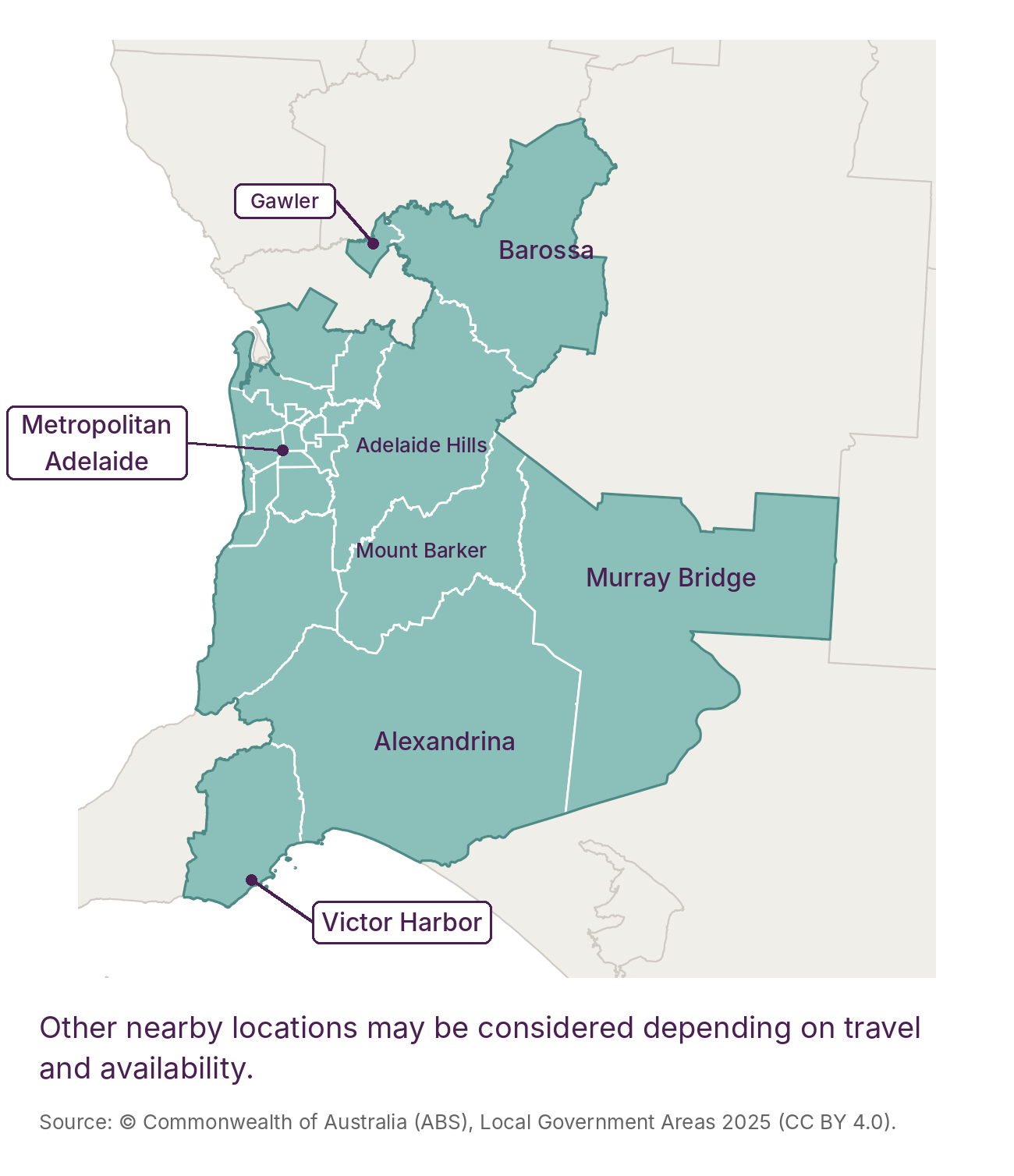
In-person coaching is available across metropolitan Adelaide, Gawler and the Barossa, the Adelaide Hills and Mount Barker, Murray Bridge, Alexandrina and Victor Harbor.
Other nearby locations may be considered depending on travel and availability.
Sessions can take place in your home or at a community location that suits you. Online coaching is also available, or you can combine online and in-person sessions.
Live in the Yorke Peninsula, Mid North, Adelaide Plains or the City of Playford?
If you live in one of these regions, strengths-based employment coaching is offered through Contemporary Therapy Solutions.
Want to share this information?
Download our Employment Coaching flyer (PDF) for a summary of the service offered through Optimising Strengths and Contemporary Therapy Solutions.
Interested in employment coaching?
You're welcome to get in touch to ask questions or find out more about getting started.
Family members, support coordinators and support workers are also welcome to enquire.
You can get in touch by email, phone or SMS, whichever works best for you.